The Complete Guide to Pool Cover Care in Australia

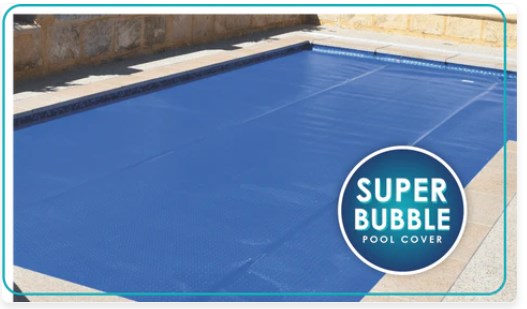
Have you noticed your pool cover isn't lasting as long as it should? Are you dealing with premature wear, chemical damage, or storage issues that could have been easily prevented? Pool covers represent a significant investment for Australian pool owners, yet many unknowingly damage their covers through improper care, leading to costly replacements every few years instead of enjoying decades of reliable service.
Poor pool cover maintenance doesn't just mean frequent replacements. It results in higher energy bills from heat loss, increased chemical costs from inefficient filtration, and safety concerns when covers fail unexpectedly. The frustration of dealing with a deteriorating cover that should still be in excellent condition is something every pool owner wants to avoid.
The solution lies in understanding proper pool cover care techniques that extend your investment's lifespan while maintaining optimal performance. This comprehensive guide reveals the essential maintenance practices, storage methods, and care routines that will keep your pool cover functioning effectively for years to come.
Everything You Need To Know In Under A Minute:
* Regular cleaning with mild detergents
* Maintain balanced pool chemistry (chlorine below 2.5ppm)
* Store covers away from direct sunlight when not in use
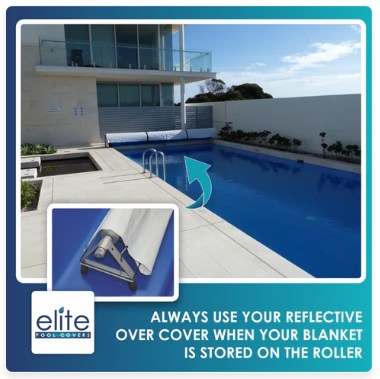
* Use protective over-covers on rollers
* Avoid dragging across hard surfaces
* Conduct regular inspections for early damage detection
* Always remove covers before swimming and during extreme heat (above 38°C)
* Quality pool covers with proper care can last 5–10 years
Understanding Different Pool Cover Types
Different pool covers require specific care approaches to maintain their effectiveness and longevity. Understanding your cover type ensures you're following the right maintenance routine.
| Cover Type |
Key Feature |
Primary Care Consideration |
| Solar Pool Cover |
Bubble technology for heat retention |
Gentle handling; bubble-side always faces down |
| Thermal Pool Cover |
Closed-cell foam insulation |
Must be fully dry before storage to prevent mould |
| Winter Pool Cover |
Heavy-duty durability |
Regular debris removal; ensure proper drainage |
Solar Pool Covers
Solar pool blankets are designed with bubble technology to capture and retain heat while reducing evaporation. These covers require gentle handling due to their bubble structure, which can be damaged by excessive heat, chemical exposure, or rough handling.
The bubble side should always face down toward the water, allowing maximum heat absorption. Regular cleaning prevents debris from blocking the bubbles' heat-collecting properties. When storing solar covers, avoid folding along the same lines repeatedly, as this weakens the bubble structure over time.
Thermal Pool Covers
Thermal pool covers provide superior insulation with their closed-cell foam construction. These covers are more durable than solar blankets but require careful attention to prevent mould growth when stored damp.
The foam core makes these covers heavier, requiring proper roller systems for easy handling. Always ensure thermal covers are completely dry before long-term storage to prevent deterioration of the foam interior.
Winter Pool Covers
Winter pool covers are built for durability but still need proper care during the off-season. These heavy-duty covers should be cleaned thoroughly before installation and checked regularly for debris accumulation that could cause sagging.
Proper drainage is crucial for winter covers to prevent water pooling, which can damage both the cover and pool structure. Regular debris removal prevents staining and reduces the weight load on the cover material.
Caring for Your New Pool Cover
The first few months of owning a new pool cover are critical for establishing its long-term performance and durability. Proper initial care sets the foundation for years of reliable service and helps you identify any manufacturing issues while still under warranty.
- Initial Installation and Setup Once your pool cover arrives, resist the urge to immediately install it. Allow the cover to acclimate to ambient temperature, especially if it's been stored in cold conditions. Rapid temperature changes can stress the material and create weak points.
Carefully inspect your new cover for any shipping damage, manufacturing defects, or missing components before installation. Document any issues with photographs and contact your supplier immediately, as most manufacturers require notification within the first few days of delivery.
For your solar pool blankets, lay the cover flat in the sun for 30–60 minutes before installation. This allows the material to warm and become more pliable, reducing the risk of tears during initial handling.
- Breaking in Your New Pool Cover New pool covers require a gentle break-in period to allow materials to settle and conform to your pool's specific shape. During the first two weeks, avoid leaving the cover on continuously in extreme temperatures above 35°C, as new materials may be more susceptible to heat damage.
Handle your new cover extra carefully during the first month — fresh materials and seams haven't fully cured and may be more vulnerable to stress damage. Use two people for all handling operations, even with smaller covers, to prevent excessive tension on any single point. Monitor the cover closely during its first few uses, checking for proper fit, even rolling characteristics, and any signs of stress at attachment points.
- Chemical Conditioning Process New pool covers may initially alter your pool's chemical balance slightly as manufacturing residues dissolve. Test your water chemistry daily for the first week after installation and adjust as needed.
Keep chlorine levels at the lower end of the recommended range (1.0–1.5ppm) for the first month to allow new materials to fully cure without chemical stress. After the conditioning period, you can maintain normal chlorine levels up to 2.5ppm. If you notice unusual chemical readings or water discolouration during the first week, remove the cover and contact your supplier.
- Documentation and Warranty Protection Record the purchase date, model number, installation date, and take initial condition photographs. Register your cover with the manufacturer if required, and carefully read all warranty terms and conditions. Keep all installation instructions, care guides, and manufacturer contact information in an accessible location.
- First Month Maintenance Schedule Daily: Inspect the cover for proper fit, even water distribution, and signs of stress or unusual wear patterns.
Weekly: Clean the cover to remove manufacturing residues and establish good care habits.
After Month One: Gradually transition to the standard maintenance schedule appropriate for your cover type and usage patterns.
Essential Daily Care Practices
Implementing daily care routines prevents major issues and extends your pool cover's operational life significantly.
Pre-Use Removal Protocol
Always remove your pool cover completely before anyone enters the pool. This fundamental safety rule also prevents accidental damage from swimmers or pool equipment. Never attempt to swim under or walk on any pool cover, regardless of type.
When removing covers, use proper lifting techniques and avoid dragging across pool coping, decking, or other hard surfaces. These actions cause abrasions that weaken the cover material and create entry points for water and chemicals.
Proper Rolling Techniques
Pool cover rollers, maintain even tension across the cover width. Uneven rolling creates stress points that can lead to tears or premature wear. Guide the cover gently during rolling to prevent bunching or catching on roller components.
For manual rolling without equipment, always use two people to handle larger covers. This prevents dragging and ensures even folding that won't create permanent creases or weak points.
Heat Protection Measures
- Remove covers when ambient temperatures exceed 38°C. Trapped heat between cover and water can reach damaging levels.
- Store rolled covers in shaded areas or use protective over-covers to prevent direct UV exposure.
- White over-covers reflect heat effectively while protecting the cover material from UV degradation.
Proper Cleaning Techniques
Regular cleaning maintains your pool cover's appearance and functionality while preventing the buildup of contaminants that can cause permanent damage.
1. Weekly Cleaning Routine
Use a soft-bristled brush or pool broom to sweep leaves, dirt, and debris toward the skimmer box while the filtration system is running.
For stubborn debris, hose the cover gently from one end toward the skimmer, allowing the pool's circulation system to remove loosened materials.
This method prevents debris from settling on the pool floor where it becomes harder to remove.
2. Deep Cleaning Methods
- Remove the cover from the pool and lay it on a clean, flat surface.
- Rinse with fresh water to remove surface contaminants.
- Apply a mild, pH-neutral detergent solution using a soft brush to clean both sides of the cover.
- Avoid harsh chemicals, bleach, or abrasive cleaners that can damage the cover material.
- Rinse thoroughly to remove all cleaning residue before returning the cover to service.
⚠️
Do Not Use a Pressure Washer
Pressure washers can damage pool cover materials and force water into seams or bubble structures. Use gentle hosing and soft brushes for safe, effective cleaning.
3. Specialised Cleaning Products
Use cleaning products specifically designed for pool covers. These formulations are pH-balanced and won't degrade cover materials like household cleaners might.
For solar covers, specialised cleaners help maintain the bubble structure's integrity while removing oils, sunscreen residue, and organic matter that can block heat transfer.
Always follow manufacturer instructions for dilution ratios and contact time.
Chemical Balance and Pool Cover Safety
Maintaining proper water chemistry protects your pool cover from chemical damage while ensuring safe swimming conditions.
| Parameter |
Safe Range |
Effect If Out of Range |
| Chlorine |
1.0 – 2.5 ppm |
Above 2.5 ppm damages cover material and may void warranty |
| pH |
7.2 – 7.6 |
Low pH degrades material; high pH causes scaling & discolouration |
Chlorine Level Management
- Keep chlorine levels between 1–2.5ppm when your cover is in use.
- Levels above 2.5ppm can damage cover materials and void warranties.
- After shock treatments or super-chlorination, always keep covers off until chlorine returns to safe levels.
Chlorine gas buildup between the cover and the water surface accelerates material degradation. This trapped gas is particularly harmful to bubble covers and can cause rapid deterioration of the cover's heat-retention properties.
pH Balance Importance
Maintain pool pH between 7.2–7.6 for optimal cover protection. Acidic conditions (low pH) can degrade cover materials, while alkaline conditions (high pH) can cause scaling and discolouration.
Test water chemistry at least twice weekly during active pool season and adjust as needed. Proper chemical balance extends both pool equipment life and cover durability.
Holiday and Extended Absence Protocol
- Remove your pool cover when going away for extended periods to prevent dangerous chemical buildup.
- Ensure continued filtration during your absence to prevent stagnation.
- If covers must remain on, arrange for someone to check chemical levels regularly.
- Consider automated chemical feeding systems for consistent water balance during absences.
Storage Best Practices
Proper storage techniques prevent damage during both short-term and seasonal storage periods.
Daily Storage Requirements
- Never store wet or damp covers in enclosed spaces without proper ventilation. This leads to mould growth, mildew, and unpleasant odours.
- Always use protective over-covers on roller systems to shield the rolled cover from direct sunlight.
- UV exposure weakens cover materials and causes premature aging even when properly rolled.
Seasonal Storage Preparation
- Clean covers thoroughly and ensure they're completely dry before long-term storage.
- Store covers in breathable storage bags or containers that allow air circulation.
- Avoid plastic bags or airtight containers that can trap moisture and create condensation problems.
Folding Techniques
- Vary fold lines each time to prevent permanent creases that weaken the material.
- Use accordion-style folding to distribute stress more evenly than traditional folding methods.
- For covers with bubble surfaces, fold bubble-side in to protect the surface from damage.
- Place soft materials between folds to prevent bubbles from being crushed or punctured during storage.
Inspection and Early Problem Detection
Regular inspections catch minor issues before they become major problems requiring expensive repairs or replacements.
1. Monthly Inspection Checklist
Conduct thorough monthly inspections examining cover edges, seams, and attachment points for signs of wear or damage. Look for small tears, loose pool cover clips, or areas where the material appears thin or discoloured.
2. Early Warning Signs
- Unexpected bubbles in solid covers — Indicates material separation or punctures requiring immediate attention.
- Discolouration patterns — May reveal chemical damage or UV degradation.
- Sagging areas — Suggests material weakening or improper support; address promptly to prevent catastrophic failure.
3. Professional Assessment
Schedule annual professional inspections for valuable covers or complex automatic systems. Trained technicians can identify subtle problems that untrained eyes might miss.
Environmental Protection Strategies
Australia's challenging climate requires specific strategies to protect pool covers from environmental damage.
UV Protection Methods
- Use UV-resistant cover materials when possible, and apply UV protectant treatments annually for extended protection.
- Minimise direct sunlight exposure during storage by using protective covers or shaded storage areas.
- Even brief UV exposure can cause cumulative damage over time.
Wind and Weather Management
- Secure covers properly during windy conditions using appropriate tie-downs and anchoring systems.
- Loose covers can be damaged by flapping or blown into pool equipment.
- Remove covers during severe weather events to prevent damage from hail, falling debris, or extreme wind conditions.
Temperature Management
- Monitor ambient temperatures and remove covers when conditions exceed safe operating limits.
- Provide adequate ventilation around stored covers to prevent heat buildup that can damage materials even during storage periods.
Seasonal Maintenance Guidelines
Different seasons present unique challenges requiring specific maintenance approaches.
Summer Maintenance Focus
- Remove covers during extreme temperature days and increase inspection frequency due to heavy usage.
- Monitor chlorine levels more closely during hot weather when chemical consumption increases.
- Consider using liquid pool covers as supplements during heat waves when traditional covers cannot be used safely.
Winter Preparation
- Conduct thorough cleaning and complete drying before winter storage.
- Apply UV protectant treatments if recommended by the manufacturer.
- For pools remaining active during cooler months, adjust maintenance schedules to account for reduced evaporation and chemical usage.
Spring Reactivation
- Inspect covers carefully for damage that may have occurred during storage.
- Test all mechanical components before returning to service.
- Clean covers thoroughly before the first use of the season.
- Check for any pest damage or deterioration during storage.
Common Mistakes That Damage Pool Covers
Avoiding these common errors prevents unnecessary damage and extends your pool cover's service life.
1. Chemical Damage Prevention
Never use household bleach or harsh chemicals on pool covers. These can weaken materials rapidly, causing brittleness and premature failure.
Always use pH-neutral cleaners specifically designed for pool cover materials.
Test water before replacing the cover. Many warranty claims result from chemical damage that could have been easily prevented.
2. Physical Damage Avoidance
Don't drag covers across rough surfaces like concrete, timber decking, or pool coping. These actions cause micro-tears that grow into larger problems.
Never walk on pool covers or use them as temporary work surfaces. Even covers designed for safety applications can be damaged by inappropriate loading or point stresses.
3. Storage and Handling Errors
Storing damp covers in enclosed spaces without ventilation leads to mould growth, material degradation, and warranty voiding conditions.
Don't fold covers along the same lines repeatedly. Instead, vary fold patterns to prevent permanent creasing that weakens the material.
How Elite Pool Covers Can Help
Since 1989, Elite Pool Covers has been Australia's leading innovator in pool cover technology, understanding that effective pool cover care starts with choosing the right products for our harsh climate conditions.
Advanced Materials That Minimise Maintenance
Elite Pool Covers' specialised materials are specifically engineered to reduce the burden of cover care. These advanced fabrics resist chemical damage, UV degradation, and everyday wear — meaning less frequent replacements and easier maintenance routines for pool owners.
Professional Systems for Long-Term Care
Beyond quality materials, Elite Pool Covers provides professionally designed roller systems that make daily cover care effortless. Their mobile domestic rollers and heavy-duty aluminium commercial rollers ensure smooth operation and protect your cover from damage during use, significantly extending its lifespan.
Expert Support for Optimal Cover Performance
With expert installation and decades of industry experience, Elite Pool Covers ensures your cover system is set up for success from day one. Their team helps Australian pool owners select the ideal cover and roller combination to maximise protection, efficiency, and longevity – taking the guesswork out of proper pool cover care.
When cover care is simplified through quality products and expert guidance, pool owners can focus on enjoying their pools rather than constantly maintaining their covers.
Frequently Asked Questions
How Often Should I Clean My Pool Cover?
Clean your pool cover weekly during active swimming season, with monthly deep cleaning recommended. During winter or low-use periods, monthly surface cleaning is usually sufficient.
Can I Use a Pressure Washer to Clean My Pool Cover?
No, pressure washers can damage pool cover materials and force water into seams or bubble structures. Use gentle hosing and soft brushes for safe cleaning.
What's the Maximum Temperature My Pool Cover Can Handle?
Most pool covers should be removed when ambient temperatures exceed 38°C. Trapped heat between the cover and water can reach damaging levels quickly in Australian conditions.
How Do I Know If My Pool Chemicals Are Damaging My Cover?
Signs of chemical damage include brittleness, discolouration, or unusual wear patterns. Maintain chlorine levels below 2.5ppm and pH between 7.2–7.6 for cover protection.
Should I Leave My Pool Cover On When I Go on Holidays?
For extended absences, remove your pool cover to prevent dangerous chemical buildup. Arrange for someone to monitor your pool or use automated systems to maintain proper conditions.
How Can I Prevent My Pool Cover from Getting Damaged During Storage?
Ensure covers are completely clean and dry before storage, use breathable storage containers, vary folding patterns, and store in cool, dark locations away from chemicals and sharp objects.
What's the Difference Between Bubble-Side Up and Bubble-Side Down for Solar Covers?
Always place solar covers bubble-side down toward the water. This orientation maximises heat collection and transfer while protecting the bubbles from UV damage.
Can I Repair Small Tears in My Pool Cover Myself?
Small tears can often be repaired using patch kits designed for your cover type. However, extensive damage or safety cover repairs should be handled by professionals to maintain safety standards.
Maximising Your Pool Cover Investment
Proper pool cover care isn't just about maintenance routines and cleaning schedules. It's about protecting a significant investment while ensuring your family enjoys safe, efficient pool operation for years to come. By implementing the comprehensive care strategies outlined in this guide, Australian pool owners can expect their covers to perform optimally throughout their design life while providing maximum energy savings and convenience benefits.
Remember that quality pool covers from established manufacturers like Elite Pool Covers are designed to withstand Australia's challenging conditions when properly maintained. The key lies in consistent care, proper handling, and prompt attention to any issues that arise.
Get A Quote Today
Need specific pricing for your pool? Elite Pool Covers are Australian leaders in swimming pool covers and roller technology. Give us a call on (08) 9240 2262 or request a personalised quote, to receive accurate pool cover pricing tailored to your unique requirements.