How to Master Pool Water Chemistry and Protect Your Investment
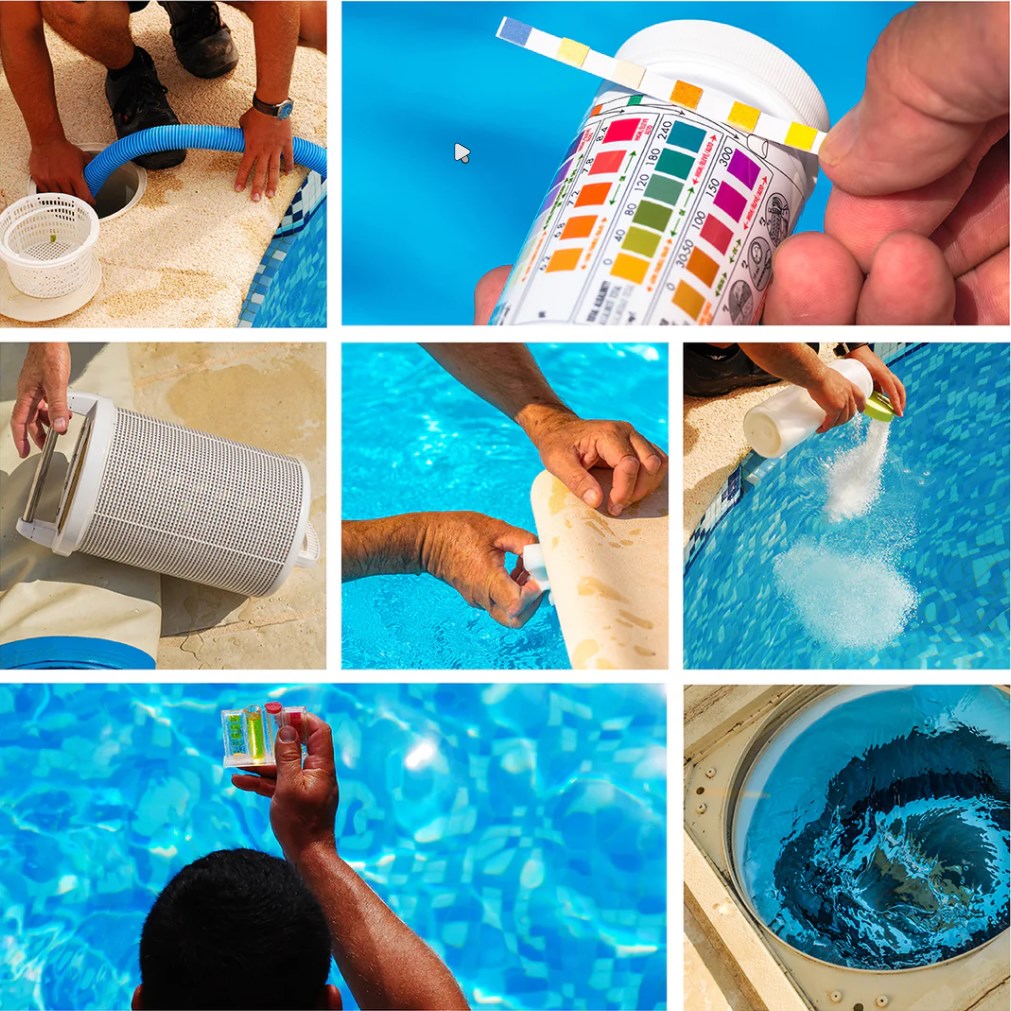
Ever wondered why your pool water seems impossible to balance despite following all the usual advice? Poor pool water chemistry does not just make swimming unpleasant; it silently destroys expensive equipment, damages your pool's surface, and can void warranties on critical components like covers and filtration systems. When water tips too acidic, it corrodes metal parts and irritates swimmers' skin; too alkaline, and you're dealing with scaling, cloudy water, and chlorine that barely works. Both conditions cost Australian pool owners thousands each year in premature repairs and replacements. This guide covers everything you need to know about maintaining optimal pool water chemistry year-round, so your pool stays clean and safe, and your equipment lasts as long as it should.
Here's everything you need to know in under a minute:
- Test pool water chemistry once per week using quality test kits
- Maintain pH between 7.2–7.8 and chlorine between 1.0–3.0 ppm
- Keep alkalinity at 100–150 ppm and calcium hardness between 200–300 ppm
- Remove phosphates regularly to prevent algae growth
- Balance water chemistry before installing pool cover rollers or solar pool covers
- Proper chemistry extends the life of triple pool covers
- Never exceed 2.5 ppm chlorine with covers in place
- Professional water testing is recommended monthly
- Unbalanced water can void equipment warranties
Understanding Pool Water Chemistry
Pool water chemistry might seem complex, but it follows predictable scientific principles that every Australian pool owner can master. Your pool water is a dynamic environment constantly influenced by sunlight, rain, swimmers, and the chemicals you add for maintenance.
When water chemistry falls out of balance, it becomes either corrosive (too few chemicals) or scale-forming (too many chemicals). Both conditions damage your pool's surface and equipment, and can make swimming uncomfortable or unsafe.
The Five Pillars of Pool Water Chemistry
- pH Balance controls acidity and alkalinity across the entire pool system
- Total Alkalinity stabilises pH so it does not swing between extremes
- Sanitiser Levels kill bacteria and algae to keep the water safe
- Calcium Hardness prevents both corrosion and scale formation
- Phosphate Control eliminates the primary food source for algae
The Science Behind Balanced Water
Pool water chemistry operates on precise scientific principles that determine whether your water will be corrosive, balanced, or scale-forming. The Langelier Saturation Index (LSI) calculates this balance using your pool's specific pH, alkalinity, calcium hardness, temperature, and total dissolved solids.
Corrosive water (pH below 7.2, low alkalinity, low calcium) actively attacks metal components, pool surfaces, and grout. This aggressive water seeks minerals to balance itself, dissolving your pool infrastructure and equipment over time.
Scale-forming water (pH above 7.8, high alkalinity, high calcium) deposits minerals on surfaces, creating rough textures, cloudy water, and equipment blockages that reduce efficiency and increase maintenance costs.
Balanced water sits comfortably between these extremes — easy on swimmers, protective of equipment, and crystal-clear with minimal chemical requirements.
Essential Water Parameters for Australian Pools
Australian conditions present unique challenges for pool water chemistry. High temperatures, intense UV radiation, and varying rainfall patterns all require specific parameter ranges for optimal performance.
| Parameter |
Ideal Range |
Australian Considerations |
| pH |
7.2–7.8 |
Higher temperatures push pH up |
| Total Alkalinity |
100–150 ppm |
Buffer against rainfall dilution |
| Free Chlorine |
1.0–3.0 ppm |
Higher consumption in UV conditions |
| Stabiliser (CYA) |
30–50 ppm |
Essential for outdoor pools |
| Calcium Hardness |
200–300 ppm |
Adjust for local water supply |
| Phosphates |
0 ppm |
Critical in warm climates |
Australian pools often experience temperatures above 28°C, which accelerates chemical reactions and increases chlorine consumption. Intense sunlight rapidly breaks down chlorine without proper stabiliser levels, making cyanuric acid essential for outdoor pools. Heavy rain common in tropical and subtropical regions can rapidly dilute chemical levels, requiring prompt rebalancing to prevent algae blooms.
pH Levels
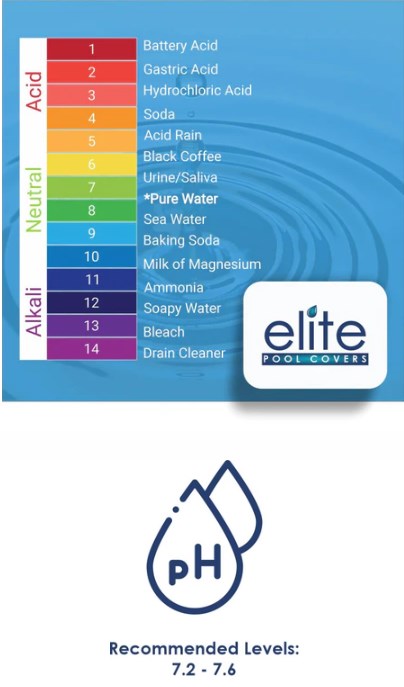
This is the most important chemical factor in your pool.
- pH refers to how acidic or alkaline your water is.
- Low pH (too acidic) can burn your eyes and even corrode your equipment.
- High pH (too alkaline) can lead to scaling & calcium build up.
Alkalinity
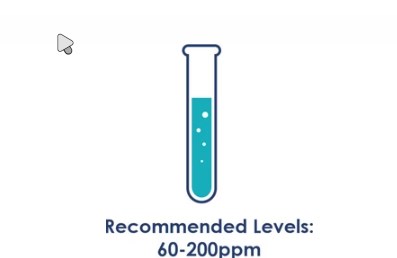
Alkalinity refers to the amount of carbonates and hydroxides in your pool water. These components help to regulate the pH level of your pool.
Low alkalinity can lead to low pH, causing corrosive, acidic water, which not only affects your skin and eyes, but can lead to damage of your pool's surface and equipment.
Your Total Alkalinity is raised by adding Sodium Bicarbonate.
Have your pool water checked regularly by qualified professionals, who can advise on quantities required based on the size of your pool.
Free Chlorine
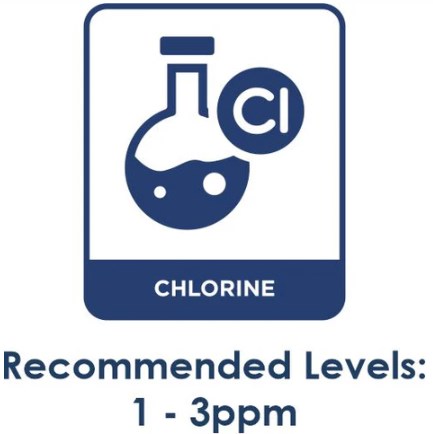
Maintaining the required Free Chlorine level is the most important part of maintaining your pool water balance.
Chlorine, which is available in granular, liquid or tablet form, kills germs, bacteria and algae, ensuring your pool is safe to swim in.
Should your chlorine levels drop too low, you run the risk of your pool turning green, especially if you have phosphates in your pool.
Stabiliser / Cyanuric Acid
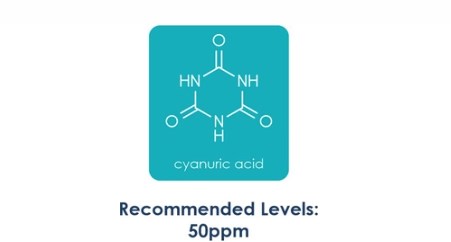
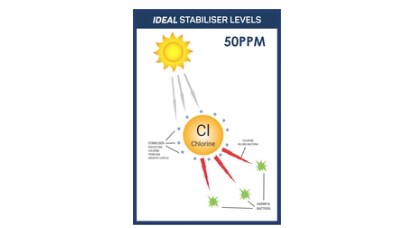
If the pool is outdoors, it is vital that stabiliser (also known as cyanurate and cyanuric acid) be added and maintained at 50ppm. This compound reduces chlorine destruction due to sunlight. If someone is complaining that their chlorinator is not making enough Chlorine, you will usually find that their stabiliser level is too low, hence UV light is destroying their Chlorine as soon as it enters the pool.
However, too much stabiliser will reduce the effectiveness of chlorine and can result in poor quality water, so ensure stabiliser does not exceed 80ppm.
Phosphates
Phosphates are mostly organic matter that have the potential to feed and encourage algae growth in your swimming pool, as well as cloud your water. Algae needs sun, water, air, and a food source such as nitrates and phosphates to flourish. This is why a swimming pool can be the perfect environment for algae to bloom! High phosphate levels also use up chlorine quickly, making it even more difficult to kill the algae and keep your pool clean. You may even assume that your chlorinator is not producing enough chlorine, when in actual fact the chlorine it is producing is being consumed more rapidly than it can physically be produced.
How do phosphates get into your pool? Your pool is in an open area exposed to sun, water from rain, air, dust, and food for algae that may be introduced in many ways. Phosphates are present in your landscaping and fertiliser materials, and can be introduced by wind and water run-off, by means of rain or your own garden watering efforts. The phosphates can be deposited from environmental debris that enters the pool in the form of leaves, dust and bird droppings.
Ideally, you want zero phosphates in your water. In order to rid phosphates from your pool, you will need to use a chemical to remove them, such as a Lanthanum-based product. Along with using a phosphate remover, you need to remove debris such as leaves, sticks, and bugs on a regular basis. Emptying out skimmer baskets on regularly will also get rid of the debris quicker. It will also improve the water circulation.
Calcium Hardness
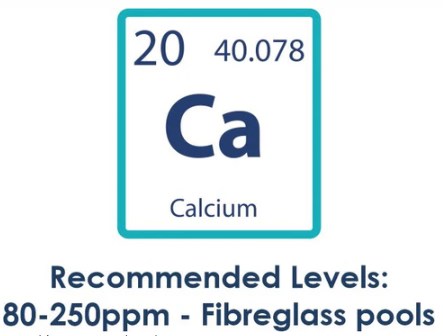
Calcium Hardness is the measure of the amount of Calcium present in your pool water.
- High Calcium hardness can make your water cloudy, and lead to calcium build up on your salt cell and pool surfaces. It may even result in Calcium flakes in your pool.
- There are products available to keep your Calcium in solution (liquid form), which can be added every 3 months to prevent the effects of high Calcium.
- Low Calcium hardness can result in your water feeling slimy, damage metal fittings and cause staining on pool surfaces.
Please Note
The above information is as a general guide only. Your water parameters may vary depending on your pool sanitation system and the type of pool you have. Be sure to check with your local qualified pool store. It always pays to take a photo of your system to show your pool store so they can advise accurately.
Managing pH and Total Alkalinity
pH and total alkalinity work together as the foundation of balanced pool water chemistry. pH controls acidity and determines chlorine effectiveness, while alkalinity acts as a buffer that prevents pH from swinging erratically. Always adjust alkalinity first, then fine-tune pH.
pH: What the Numbers Mean
- 7.0 = Neutral (pure water)
- 7.2–7.8 = Ideal pool range
- Below 7.2 = Acidic (corrosive — burns eyes, damages equipment and walk-on pool covers)
- Above 7.8 = Alkaline (scale-forming — reduces chlorine effectiveness by up to 80%)
What Affects pH
- Swimmer load (body oils, sweat, cosmetics)
- Rainfall (typically acidic, lowers pH)
- Chemical additions (chlorine raises pH)
- Pool surfaces (plaster raises pH over time)
- Aeration from water features (raises pH)
pH Adjustment Methods
- Lower pH: Use muriatic acid or sodium bisulfate
- Raise pH: Use sodium carbonate (soda ash)
- Add chemicals in small increments over 2–4 hours and run pumps throughout for even distribution
| Pool Type |
Ideal Alkalinity Range |
| Standard pools |
100–150 ppm |
| Saltwater pools |
80–120 ppm |
| Spa / hot tub |
80–120 ppm |
| Commercial pools |
120–160 ppm |
- Raise alkalinity: Add sodium bicarbonate (baking soda)
- Lower alkalinity: Add muriatic acid in small increments
- Wait 4–6 hours between additions for accurate readings
⚠️
Important
Always adjust total alkalinity before adjusting pH. Getting alkalinity right first makes pH far easier to stabilise and maintain.
Chlorine and Sanitisation Systems
Effective sanitisation protects swimmers from harmful bacteria and prevents algae growth. Different sanitisation methods each require specific pool water chemistry management approaches.
Free Chlorine vs Combined Chlorine
- Free Chlorine: The active sanitiser that kills bacteria and algae
- Combined Chlorine: Spent chlorine bound to contaminants (chloramines) — causes the "chlorine smell" often blamed on too much chlorine
- Total Chlorine: Free chlorine + combined chlorine
How pH Affects Chlorine Effectiveness
| pH Level |
Chlorine Effectiveness |
| 7.2 |
80% |
| 7.5 |
70% |
| 7.8 |
50% |
| 8.0 |
20% |
This is why maintaining proper pH is not just about comfort. At pH 8.0, you are paying for chlorine that delivers only a fifth of the protection it should.
Saltwater Pool Chemistry
Saltwater systems generate chlorine through electrolysis but still require careful chemical balance management. Monitor salt levels (2,700–3,400 ppm), check cell condition regularly, maintain proper pH (salt systems naturally push pH higher), and ensure adequate stabiliser levels.
Alternative Sanitisation Methods
Bromine is more stable than chlorine at high temperatures and less affected by pH fluctuations, making it well-suited to spa applications, though it costs more than chlorine. Ozone treatment is a powerful oxidiser that reduces chemical odours and irritation but requires a backup chlorine system and involves higher upfront equipment costs. Mineral systems use copper and silver ions alongside a primary sanitiser; they are effective against algae growth but can cause staining if chemistry is not properly managed.
Calcium Hardness and Phosphate Control
Calcium hardness and phosphates both have a direct impact on water clarity, surface condition, and algae prevention. Australian pools face distinct challenges with each due to highly variable local water supplies and warm climates.
Calcium Hardness
| Category |
Level |
Status |
| Soft Water |
0–150 ppm |
Corrosive — attacks surfaces and equipment |
| Balanced Water |
200–300 ppm |
Ideal range |
| Hard Water |
300–500 ppm |
Manageable with proper pH |
| Very Hard Water |
Above 500 ppm |
Scaling problems likely |
Water hardness varies significantly across Australia. Perth typically has very hard water (500+ ppm), Sydney sits at moderate levels (150–300 ppm), Brisbane tends to be soft to moderate, and Adelaide ranges from moderate to hard depending on the source. If your calcium is consistently high, the most effective long-term solution is a partial water replacement, supported by calcium sequestering agents and keeping pH toward the lower end of the acceptable range (7.2–7.4). High calcium levels can also deposit on pool cover rollers and equipment, causing mechanical problems and reducing operational efficiency.
Phosphate Control and Algae Prevention
Phosphates act as fertiliser for algae. Since you cannot eliminate sunlight, CO₂, or water from an outdoor pool, controlling phosphates is one of the most effective levers for preventing algae growth.
Common Phosphate Sources
- Garden fertilisers and soil runoff
- Decomposing organic matter (leaves, grass clippings)
- Some cheaper pool chemicals
- Swimmer contamination (cosmetics, lotions)
- Rain and windborne debris
Phosphate Risk Levels
| Level |
Risk Assessment |
| 0 ppm |
Ideal |
| 0–125 ppb |
Low risk |
| 125–500 ppb |
Moderate risk |
| Above 500 ppb |
High risk |
| Above 1,000 ppb |
Algae bloom likely |
Use lanthanum-based chemical removers to bind phosphates for filter removal, remove organic debris before it decomposes, and redirect garden runoff away from the pool area. High phosphate levels also consume chlorine rapidly, making the sanitiser appear ineffective when the real cause is phosphate load.
Protecting Your Pool Equipment and Covers
Balanced pool water chemistry is essential for protecting expensive pool equipment from premature failure. Understanding how chemical imbalances cause damage helps you prioritise proper water management before problems arise.
Equipment Most Vulnerable to Chemical Damage
Pool heaters suffer corroded heat exchangers from low pH, scale buildup that reduces efficiency, and premature failure. Most manufacturers require documented balanced water chemistry for warranty coverage.
Filtration systems experience filter media degradation, pump seal failure from corrosive conditions, and higher energy costs as efficiency drops.
Salt cells face electrode scaling from high pH and expensive replacement costs when chemistry is consistently imbalanced.
Pool surfaces can suffer plaster etching, aggregate exposure, and staining from metal corrosion, all leading to costly resurfacing.
Cost of Chemical Damage
| Component |
Replacement Cost (AUD) |
| Heat exchanger |
$800–$2,500 |
| Salt cell |
$300–$800 |
| Pool resurfacing |
$5,000–$15,000 |
| Complete equipment replacement |
$10,000+ |
How Pool Covers Interact with Water Chemistry
Pool covers create unique chemical environments that require specific management. When a cover is in place, chemical reactions continue in a confined space with reduced gas exchange, which can lead to higher effective chlorine levels, pH drift, and accelerated chemical reactions.
⚠️
Critical rule
Never exceed 2.5 ppm chlorine when any pool cover is installed. Higher levels can damage cover materials, void warranties, and create unsafe gas concentrations.
Solar pool covers are susceptible to bubble degradation and reduced UV protection from high chlorine exposure. Safety pool covers can suffer from strap and hardware corrosion from imbalanced water and mechanism jamming from mineral deposits, which can void safety certification. Automatic pool covers are at risk of track corrosion from low pH and costly fabric deterioration from prolonged chlorine exposure.
Best Practices with Pool Covers
- Test water chemistry before installing any cover
- Always remove covers during shock treatments
- Monitor pH more frequently when the pool is covered
- Use quality covers designed for chemical exposure
- Ensure adequate ventilation when possible
Seasonal Adjustments and Water Testing
Consistent testing is the foundation of good pool water chemistry. Knowing what to test, how often, and when to bring in a professional prevents small imbalances from becoming expensive problems.
Testing Schedule
| Frequency |
Test Type |
What to Check |
| Daily |
Home testing |
Free chlorine, pH, visual assessment |
| Weekly |
Home testing |
Total alkalinity, combined chlorine |
| Monthly |
Professional testing |
Full analysis: calcium hardness, phosphates, saturation index |
For home testing, digital meters and Taylor test kits offer the best accuracy. Electronic testers are convenient for daily use. Professional testing is particularly important for new pool startup, persistent water quality problems, equipment warranty requirements, and seasonal opening and closing.
Seasonal Chemistry Management
Summer demands the most attention. Higher temperatures increase chemical consumption, elevated bather loads affect balance, and strong UV radiation breaks down chlorine quickly. Test 2–3 times weekly and pay close attention to stabiliser levels.
Autumn brings falling leaves that significantly increase phosphate levels. Reduced pool usage provides a good window for comprehensive rebalancing and preparing covers. Balanced chemistry is essential before any cover goes on for the cooler months.
Winter requires only weekly testing. Lower temperatures increase chemical effectiveness, and pool covers protect against environmental contamination. Maintain baseline chemical levels to avoid a costly spring recovery.
Spring requires comprehensive water testing before equipment startup. Algae prevention becomes critical as temperatures rise. If you're dealing with discoloured water after winter, see our guide on why your pool is green and how to fix it quickly.
Regional Considerations
| Region |
Key Chemistry Challenge |
| Tropical (QLD/NT) |
Year-round high temperatures and UV; constant phosphate management required |
| Temperate (Sydney/Perth) |
Seasonal variation; spring algae prevention critical |
| Cool Climate (Tasmania/Alpine) |
Extended winter shutdown; lower chemical consumption; freeze protection |
Common Mistakes and Emergency Solutions
Common Water Chemistry Mistakes to Avoid
- Over-chlorinating with covers in place. Never exceed 2.5 ppm chlorine with any pool cover installed. Excess chlorine damages cover materials, voids warranties, and creates potentially dangerous gas concentrations.
- Ignoring pH when shocking. Shock treatments work best at pH 7.2–7.4. Shocking at high pH wastes chemicals and reduces effectiveness against algae and bacteria.
- Adding chemicals without testing first. Always test before treating. Adding chemicals based on appearance alone leads to imbalanced water and potential equipment damage.
- Neglecting alkalinity. Focusing only on pH while ignoring alkalinity creates unstable water that bounces between extremes and is nearly impossible to hold in balance.
- Using household chemicals. Never use household bleach or hardware store acids. These contain additives that can damage equipment and create unsafe conditions.
- Skipping circulation during treatment. Always run pumps when adding chemicals. Adding to stagnant water creates hot spots that can damage pool surfaces.
- Seasonal chemistry neglect. Letting chemical levels slide during cooler months leads to algae blooms and expensive recovery treatments come spring.
Green Pool Emergency Protocol
- Remove pool covers immediately — trapped chemicals can damage materials
- Test and record all chemical levels to document starting conditions
- Adjust pH to 7.2–7.4 to optimise chlorine effectiveness
- Shock treat with liquid chlorine for the fastest-acting result
- Run filtration continuously to remove dead algae
- Brush pool surfaces vigorously to break up algae colonies
Cloudy Water Emergency Response
- Check filter condition and clean or replace if necessary
- Test pH and alkalinity and adjust to proper ranges
- Add a clarifying agent to assist filtration
- Run pumps for 24 hours initially, backwashing frequently
Chemical Accident Response
- Acid spills: Dilute immediately with large amounts of water
- High chlorine: Remove covers, increase circulation, add neutraliser if available
- pH crash: Add alkalinity increaser slowly over several hours
- Equipment contact: Rinse immediately with fresh water
Contact a pool professional if green water persists after 48 hours of treatment, if you notice equipment damage from chemical imbalance, or if you have safety concerns about chemical handling.
How Elite Pool Covers Are Designed to Work With Your Water Chemistry
Since 1989, Elite Pool Covers has been pioneering pool cover technology specifically designed to withstand Australia's challenging conditions while maintaining optimal pool water chemistry balance.
Elite uses advanced materials engineered to resist chemical degradation while maintaining their protective properties. Elite was the first Australian manufacturer to develop specialty pool blankets specifically designed for saltwater and high-chlorine environments through their Salt Safe® and Chlor Safe™ technology, protecting your investment while maintaining the pool water chemistry balance essential for equipment longevity.
Proper installation ensures covers interact optimally with your pool's chemical environment. Elite's commercial-grade aluminium roller systems resist corrosion from pool chemical exposure, ensuring smooth operation and extended equipment life. With decades of experience in Australian conditions, Elite's team can recommend the ideal cover system for your specific pool and chemistry profile.
Choosing Elite Pool Covers means selecting equipment designed to work harmoniously with proper water chemistry management, protecting both your pool and your investment. Find out more about why you need a pool cover on our website.
Frequently Asked Questions
How Often Should I Test My Pool's Water Chemistry?
Test pH and chlorine levels 2–3 times weekly during swimming season, with comprehensive professional testing monthly. Daily testing may be required during problem periods or extreme weather conditions.
Can I Swim Immediately After Adding Pool Chemicals?
Wait at least 30 minutes after adding chemicals, with circulation running throughout. For shock treatments or major adjustments, wait until chemical levels return to normal ranges before swimming.
Why Does My Pool Chemistry Keep Going Out of Balance?
Common causes include inadequate circulation, improper chemical storage, environmental factors (rain, leaves), heavy bather loads, or underlying equipment problems that require professional assessment.
What Is the Difference Between Total Chlorine and Free Chlorine?
Free chlorine actively sanitises your pool, while combined chlorine represents spent sanitiser bound to contaminants. High combined chlorine indicates the need for a shock treatment to restore sanitising effectiveness.
Can Poor Water Chemistry Void My Equipment Warranties?
Yes. Most pool equipment manufacturers require balanced water chemistry for warranty coverage. Document your water testing to protect warranty claims on expensive equipment like heaters, pumps, and covers.
Should I Adjust pH or Alkalinity First?
Always adjust total alkalinity first, then fine-tune pH. Alkalinity provides the buffer that stabilises pH, making final adjustments easier and more permanent.
What Should I Do if I Accidentally Over-Chlorinate My Pool?
Remove any pool covers immediately, increase circulation, and wait for chlorine levels to naturally decrease. Sodium thiosulfate can neutralise excess chlorine quickly if needed.
Maximising Your Pool Cover Investment
Mastering pool water chemistry transforms pool ownership from a constant battle into effortless enjoyment of crystal-clear, perfectly balanced water. The investment in proper water chemistry management pays dividends through extended equipment life, reduced chemical costs, and the peace of mind that comes with safe, healthy swimming water.
Balanced water chemistry is not a one-time fix but an ongoing process that requires consistent attention and quality equipment. When you combine proper chemical management with quality pool covers from trusted manufacturers like Elite Pool Covers, you create a pool environment that maintains itself with minimal intervention.
Get An Elite Pool Covers Quote Today
Need specific pricing for your pool? Elite Pool Covers are Australian leaders in swimming pool covers and roller technology. Give us a call on (08) 9240 2262 or request a personalised quote, to receive accurate pool cover pricing tailored to your unique requirements.