Pool Safety in Australia: Fences, Gates & Covers
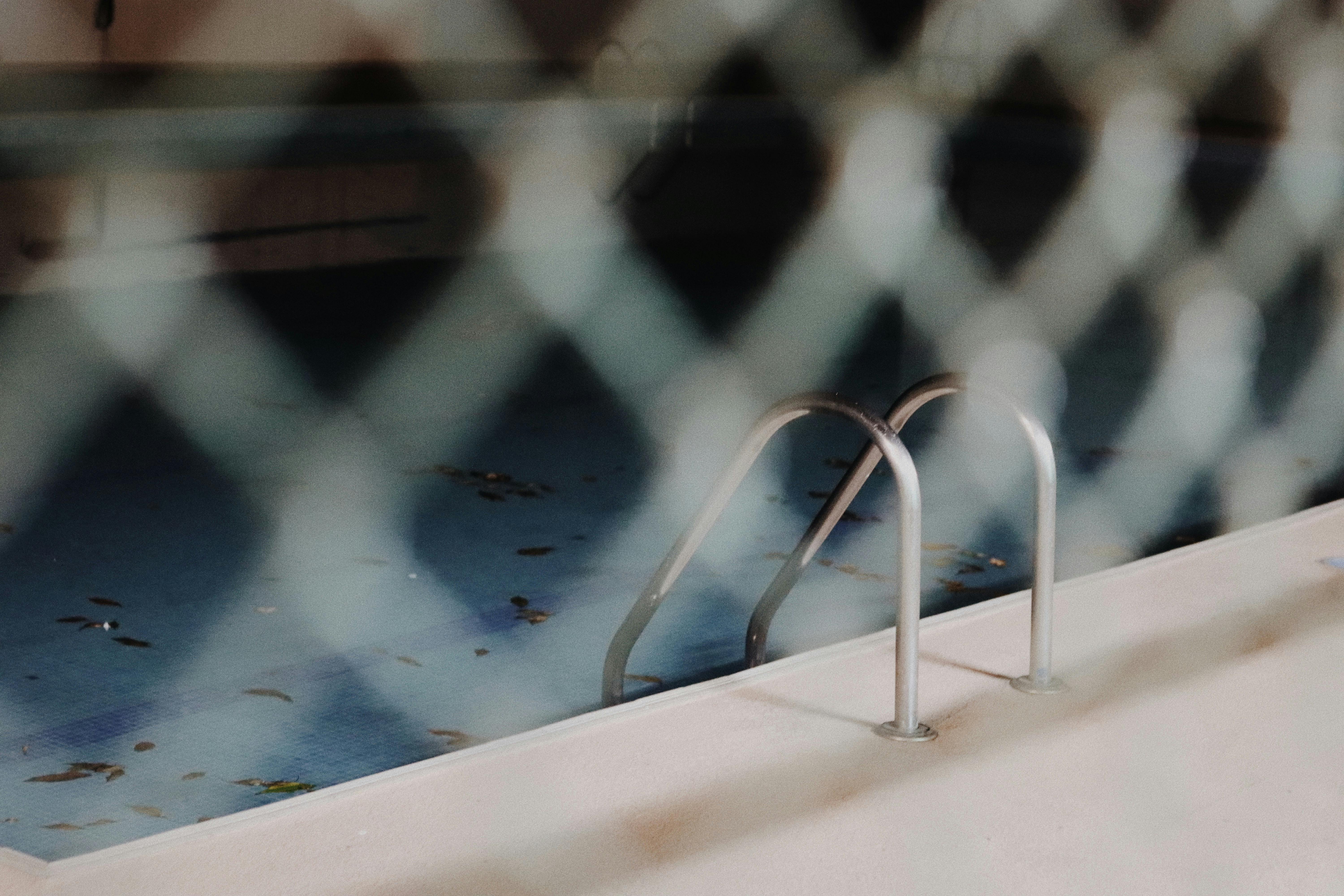
A backyard pool is one of the best features an Australian home can have, and one of the biggest risks. Every summer, young children drown in home swimming pools, often in the seconds it takes a gate to swing shut incorrectly or a fence panel to go unrepaired.
The rules exist to close that gap, but they are not simple. Every state applies its own version of the pool safety standard, fencing heights and non-climbable zones catch owners out, and there is genuine confusion about what a pool cover can and cannot legally do in place of a fence. Getting any of this wrong risks a child's life and can carry real fines.
This guide sets out exactly what Australian pool safety law requires: the national standard behind your fence, how it differs state by state, gate and latching rules, when a compliant barrier is mandatory, and where a genuine safety cover fits in as an added layer of protection, not a replacement for one.
Here's Everything You Need to Know in Under a Minute
- A compliant pool fence must be at least 1.2m (1200mm) high in every Australian state
- A 900mm non-climbable zone is required outside the fence, with no more than a 100mm gap to the ground
- Most states apply AS1926.1-2012; Queensland runs its own modified Pool Safety Standard; the NT applies AS1926.1-1993
- Every pool or spa deeper than 30cm needs a compliant barrier, in-ground, above-ground, or inflatable
- Barriers must be reinspected at least once every four years in most states
- A safety cover can add a genuine second layer of protection but cannot legally replace a compliant fence on a standard pool
- Drowning deaths of children under five fell to 15 in the most recent National Drowning Report, though half still occurred in home pools
Why Pool Safety Rules Exist in Australia
Pool safety barriers exist because supervision alone has never been enough to prevent every incident. Children move quickly, gates get left open for a moment, and a lapse of seconds is all it takes near unfenced water.
The National Drowning Report 2025 found drowning deaths of children under five fell to 15 fatalities, 21% below the 10-year average, and half occurred in home swimming pools. That decline reflects decades of fencing requirements and community education, not a reason to relax. The report's own guidance to pool owners is straightforward: check that your pool fence and pool gate are in good working order before summer, every summer.
The safest backyard pool combines active supervision, a genuinely compliant barrier, and water safety education for children. None of these three replace the others.
The Australian Pool Safety Standard: AS1926.1 Explained
Most Australian states build their pool fencing rules around Australian Standard AS1926.1, which sets the technical requirements for what counts as a compliant safety barrier. The Australian pool fencing rules overview from the pool and spa industry body sets out how the standard applies nationally.
The standard is deliberately strict, because a fence only works as a barrier if a young child genuinely cannot climb, squeeze through, or otherwise defeat it.
Fence Height and the Non-Climbable Zone
A compliant pool fence must be at least 1.2m high all the way around, measured from the finished ground level to the top of the fence. The space between the ground and the lowest horizontal rail must not exceed 100mm, and the ground beneath it must be stable rather than able to be dug out or eroded.
Beyond height, the fence needs a 900mm non-climbable zone (NCZ) on the outside. This is the area immediately around the fence that must be kept free of anything a child could use as a foothold, garden furniture, pot plants, pool equipment, or structural elements of the fence itself. Vertical members of the fence must be spaced no more than 100mm apart, and any indentation, projection, or gap greater than 10mm can be considered climbable unless it is fitted with a wedge at a minimum 60-degree angle.
How the Standard Differs by State
The details vary once you cross a state border. Western Australia's safety barrier requirements apply AS1926.1-2012 alongside AS1926.2-2007, with pools installed before 1 May 2016 permitted to retain compliance with the earlier AS1926.1-1993 standard, except for child-resistant door provisions.
Queensland's pool fencing requirements sit apart from the rest of the country. Rather than adopting AS1926.1 directly, Queensland runs its own Pool Safety Standard, a modified version of the national approach with its own inspection and certification regime covering fences, gates, doors, windows, balconies, and CPR signage requirements. The Northern Territory applies the older AS1926.1-1993 standard rather than the 2012 version used elsewhere.
In several states, including New South Wales, Queensland, and Western Australia, local councils have the power to approve alternate barriers that can be demonstrated to provide the same level of safety as a standard AS1926.1 barrier, though this is assessed case by case rather than automatically granted.
Pool Gates and Latching Requirements
Pool gates are consistently the most common failure point in an otherwise compliant fence. A gate that is propped open, fitted with a faulty latch, or simply fails to self-close removes the barrier entirely, regardless of how well the rest of the fence complies.
A compliant gate must be self-closing and self-latching from any open position, and the latch must automatically engage on closing without requiring a separate action. Latching devices generally need to sit at least 1500mm above ground level, or be positioned on the inside of the gate and shielded so a child cannot reach through or under the gate to release it. Gates must never be propped open, even briefly, and hinges and latches need regular checks since wear over time is one of the most common ways a compliant barrier quietly stops being compliant.
Which Pools and Spas Need a Compliant Barrier?
The barrier requirement is broader than most owners expect. Every private swimming pool, spa pool, and portable pool with a water depth of more than 30cm must have a compliant safety barrier restricting access by young children, whether the pool is in-ground, above-ground, inflatable, or a permanent fixture. Bathing and wading pools are covered by the same rule once they exceed that depth.
This applies from the moment a new pool or spa is completed. Builders are required to ensure a compliant barrier, temporary or long-term, is in place before handover, and owners are responsible for organising an initial council inspection and keeping the barrier compliant for as long as the pool exists.
The Spa Exemption: When a Lockable Cover Is Enough
Spas are treated slightly differently to full-size pools in some jurisdictions. Certain states allow a secure, child-resistant, lockable cover to serve as the compliant barrier for a spa instead of a four-sided fence, recognising that a spa's smaller footprint and typically higher position make a fence less practical.
��
Check Before You Rely On It
This exemption is specific to spas, is not automatic, and is assessed and approved by the local council on a case-by-case basis rather than applying uniformly. Confirm the exact requirements with your local council before installation, since the rules and approval process differ between states.
Can a Pool Cover Replace a Fence? What the Rules Actually Say
For a standard swimming pool, no. This is worth stating plainly because it's one of the most common points of confusion, and getting it wrong has real consequences. Even a purpose-built, weight-bearing safety cover is not accepted under AS1926.1, or any state's equivalent standard, as a substitute for a compliant four-sided fence on a standard in-ground or above-ground pool.
The spa exemption described above is the narrow exception, and it applies to spas specifically, under council approval, not to pools generally. Any pool owner considering a cover as their sole barrier for a full-size pool should assume it will not satisfy their local government's inspection and confirm directly before relying on it.
Where Safety Pool Covers Fit as a Second Layer of Protection
None of this makes a safety cover pointless. It means a cover's real value is as a genuine second layer over the water itself, sitting inside a compliant fence rather than instead of one.
A properly rated safety pool cover is built to bear real weight, unlike a solar or thermal blanket. Elite's Super Mesh Pool Safety Cover has the strength to support a small child or animal, making it a potential lifesaver in the moments before an adult reaches the pool. That's a meaningfully different product to a standard cover, and it's also why why you need a pool cover is worth reading alongside this guide: the heat, water, and chemical savings a cover delivers come on top of, not instead of, the safety benefit a rated cover adds.
The strongest setup is layered: a compliant fence as the mandatory legal barrier, active supervision whenever the pool is in use, and a rated safety cover reducing risk further when the pool is unattended.
Pool Safety Inspections: What to Expect
New pool and spa barriers must be inspected by the local council within 30 days of the barrier being completed, whether it's a temporary or long-term installation. If the barrier is found non-compliant, a reinspection is required within a maximum of 60 days of the original inspection.
Beyond that initial check, every pool and spa barrier in Australia must be periodically reinspected, with a maximum gap of four years between inspections in most states. Councils typically contact owners ahead of the inspection being due, and the inspection fee is usually incorporated into the annual rates notice rather than billed separately. Inspectors generally have statutory powers of entry to carry out these checks, so keeping documentation of your barrier's compliance on hand, ideally provided by whoever installed it, makes the process considerably smoother.
Elite Pool Covers' Approach to Pool Safety
Elite Pool Covers has been manufacturing pool covering systems in Perth, Western Australia since 1989, and safety has been part of that history from early on. Elite was the first Australian company to make security covers out of trampoline fabric, and the first to manufacture a special Salt Safe and Chlor Safe pool blanket, engineered to withstand Australian pool chemistry without degrading the material that families rely on for protection.
That standard carries through to Elite's commercial installations, including large-scale pool covers and rollers at HBF Stadium, Fiona Stanley Hospital, and Perth Children's Hospital, sites where safety compliance isn't optional and the margin for error is zero.
For a family weighing up how to make their backyard pool genuinely safer, that history matters. A compliant fence remains the legal foundation, but a properly rated safety cover from a manufacturer that has spent decades building for Australian conditions adds a real second layer, not a marketing one. Elite's range extends well beyond safety covers, including solar pool covers for heating and evaporation control, pool cover rollers for easy daily handling, and fully automated pool covers for households that want the safety and heat-retention benefits without lifting a blanket by hand.
Frequently Asked Questions
Is a pool fence a legal requirement in every Australian state?
Yes. Every state and territory requires a compliant safety barrier for any pool or spa deeper than 30cm, with some remote areas of Western Australia excluded. The specific standard applied, AS1926.1-2012 in most states, a modified standard in Queensland, or AS1926.1-1993 in the Northern Territory, varies, but the underlying requirement for a compliant barrier is universal.
How high does a pool fence need to be in Australia?
A minimum of 1.2m (1200mm), measured from the finished ground level to the top of the fence, applies nationally. The fence also needs a 900mm non-climbable zone on the outside and no more than a 100mm gap between the ground and the lowest horizontal rail.
Can I use a safety cover instead of a pool fence?
For a standard pool, no. A compliant four-sided fence is mandatory regardless of how well-rated the cover is. The exception is spas in some states, where a secure, lockable, child-resistant cover can be approved by the local council as the compliant barrier instead of a fence, but this is assessed case by case and is specific to spas, not pools generally.
How often are pool safety barriers inspected?
New barriers are inspected within 30 days of completion, with a 60-day reinspection window if non-compliant. After that, barriers must be periodically reinspected at least once every four years in most states, with councils typically initiating contact ahead of the inspection date.
Building a Genuinely Safe Backyard Pool
Pool safety in Australia comes down to layers, not a single solution. A compliant fence, built to AS1926.1 or your state's equivalent standard, is the non-negotiable legal foundation. Active supervision and water safety education for children sit alongside it. A properly rated safety cover adds a genuine third layer over the water itself, without ever replacing the barrier the law requires.
Getting each layer right, and understanding exactly where a cover fits and where it doesn't, is what turns a pool from a risk into the backyard feature it's meant to be.
Get an Elite Pool Covers Quote Today
Add a genuine layer of protection to your compliant pool setup. Elite Pool Covers are Australian leaders in swimming pool covers and roller technology. Call us on (08) 9240 2262 or request a personalised quote for pricing tailored to your pool.