Pool Heat Pumps: How a Cover Cuts Your Running Costs
Your pool cost serious money to build. Using it four months a year isn't a return on that investment; it's a compromise you don't have to make.
Pool heat pumps have made year-round swimming a practical reality for Australian homeowners. They're significantly more energy-efficient than gas heaters, they work around the clock regardless of sunshine, and modern inverter models can maintain your target temperature with a fraction of the effort older systems required.
But here's what most pool owners miss: the biggest factor in what you pay to run a heat pump isn't the pump itself. It's what happens to your pool water the moment you switch it off. Heat evaporates. Rapidly. And if there's nothing covering your pool, your heating system works twice as hard to compensate.
This guide explains exactly how pool heat pumps work, what they cost to run, how to choose the right size, and why pool covers are the single most effective way to reduce your heat pump's running costs.
Here's Everything You Need to Know in Under a Minute
- Pool heat pumps extract warmth from ambient air and transfer it to your pool water; they don't generate heat directly, which is why they're so efficient
- Efficiency is measured by COP (Coefficient of Performance): a COP of 10 means 10 units of heat produced for every 1 unit of electricity consumed
- Modern full inverter heat pumps achieve COP ratings of 16 to 20 in Australian conditions
- Running costs typically range from $2 to $8 per day, depending on pool size, climate, and electricity tariff
- Around 70% of pool heat loss occurs through evaporation, the primary reason running costs vary so widely between pool owners
- A solar pool cover can reduce heating costs by 50 to 70%
- A thermal pool cover can cut your heat pump's runtime by up to 60%
- Elite Pool Covers has been designing advanced pool cover systems in Australia since 1989, the country's pioneering manufacturer in the category
What Is a Pool Heat Pump?
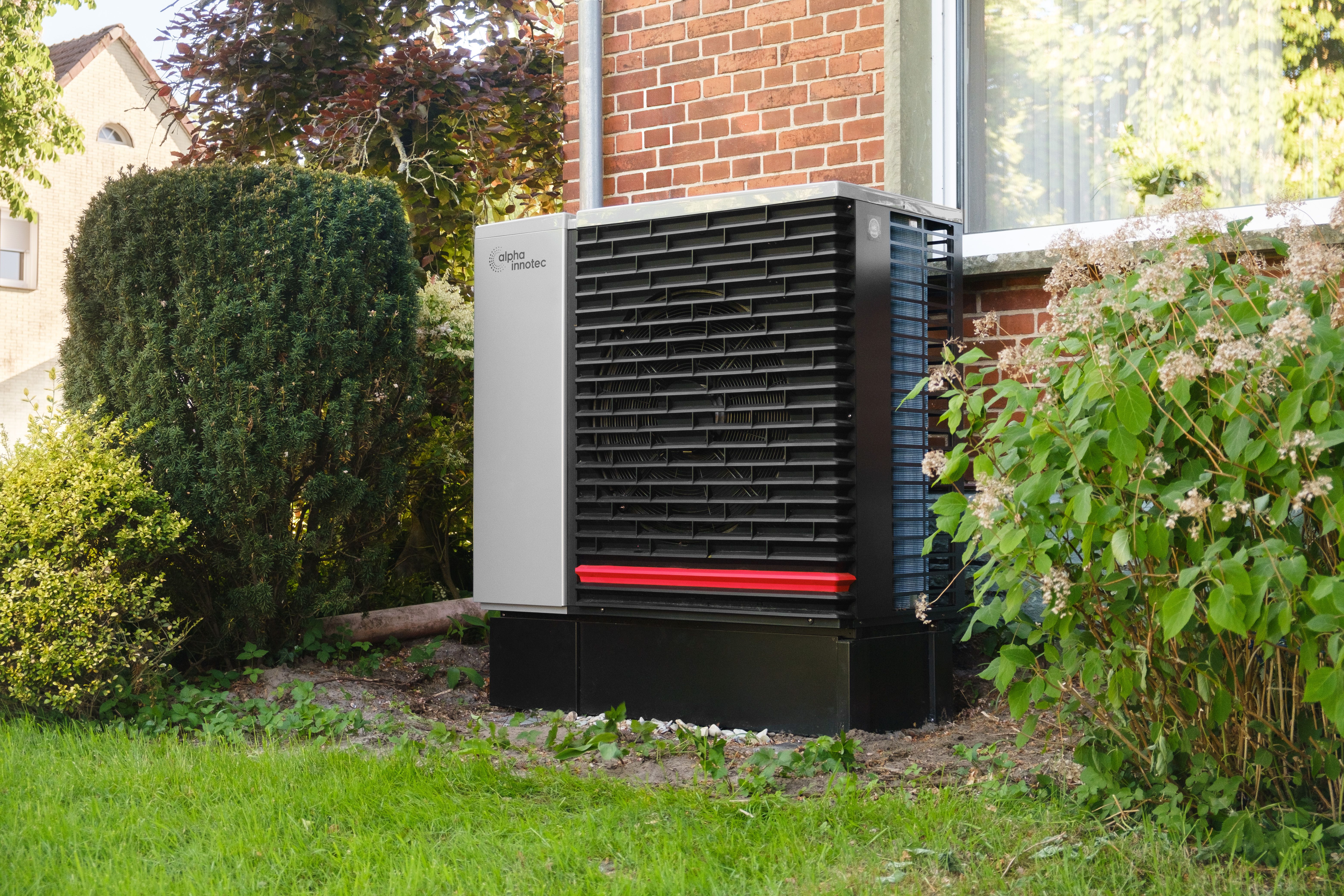
A pool heat pump is an electrically powered heating system that extracts warmth from the surrounding air and transfers it into your pool water. Unlike gas heaters, which burn fuel to generate heat, or electric resistance heaters, which convert electricity directly into heat, a pool heat pump moves existing heat from one place to another.
This distinction matters because moving heat is far more efficient than creating it. For every unit of electricity a heat pump consumes, it can deliver anywhere from five to twenty units of heat into your pool, depending on the model and ambient conditions.
How Does a Pool Heat Pump Work?
The process follows the same refrigeration cycle used in air conditioning and refrigerators, but in reverse:
- Air Intake: A fan draws warm ambient air across an evaporator coil containing liquid refrigerant
- Heat Absorption: The refrigerant absorbs heat from the air and converts from liquid to gas
- Compression: A compressor pressurises the gas, significantly increasing its temperature
- Heat Transfer: The hot gas passes through a heat exchanger, transferring its heat to cooler pool water circulating through the unit
- Reset: The refrigerant condenses back to liquid and the cycle begins again
Your pool pump circulates water through the heat pump continuously, gradually raising the temperature until your target is reached. The system then maintains that temperature as needed.
What Is COP and Why Does It Matter for Running Costs?
COP stands for Coefficient of Performance, and it's the number that tells you how efficiently a pool heat pump converts electricity into heat.
A COP of 5 means the unit produces 5 kilowatts of heat for every 1 kilowatt of electricity consumed. A COP of 14 means 14 kilowatts of heat per kilowatt of electricity. The higher the COP, the lower your running costs.
The U.S. Department of Energy's pool heater efficiency guide notes that older heat pump models typically achieve COPs between 3.0 and 7.0 under standard test conditions. Modern full inverter systems designed for Australian climate conditions perform significantly better.
Here's how the three main types compare:
| Type |
COP Range |
Noise Level |
Best For |
| Standard On/Off |
5 to 7 |
High |
Entry-level budgets |
| Inverter |
10 to 16 |
Moderate |
Efficient everyday heating |
| Full Inverter |
16 to 20 |
Very low |
Maximum efficiency, quietest operation |
Full inverter models adjust their compressor speed in real time based on heating demand, rather than cycling on at 100% capacity then shutting off completely. This variable operation is why they achieve higher COP ratings and run far more quietly than standard units.
Pool Heat Pump Running Costs in Australia
Running costs for pool heat pumps in Australia typically range from $2 to $8 per day, though the actual figure for your pool depends on several variables.
Factors that determine your daily running cost:
- Pool volume: A larger pool requires more energy to heat and maintain temperature
- Ambient air temperature: Heat pumps extract heat from air, so they work harder in cooler conditions
- Target water temperature: Heating to 28°C costs more than maintaining at 26°C
- Pump type: Full inverter systems use significantly less electricity than standard on/off units
- Electricity tariff: Rates vary by state and provider; you can compare plans via Energy Made Easy, the Australian government's electricity comparison service
- Whether you use a pool cover: This is the single largest variable, explored in detail below
An inverter heat pump running to maintain 28°C in a 50,000-litre Perth pool will cost considerably less per day than a standard pump maintaining the same temperature in a cooler Sydney climate. Both will cost significantly less with a cover on the pool overnight and during periods of non-use.
How Much Does a Pool Heat Pump Cost to Buy?
Residential pool heat pump units in Australia generally range from $2,500 to $10,000 or more, depending on heating capacity and technology level.
Price ranges by type:
- Standard on/off models: $2,500 to $4,500
- Inverter models: $4,000 to $7,000
- Full inverter premium models: $6,500 to $10,000+
The higher upfront investment in a full inverter model typically delivers lower running costs over the unit's lifespan, which is 10 to 15 years for a quality heat pump with proper maintenance. If an inverter model costs $1,500 more than a standard unit but saves $400 to $800 per year in running costs, it pays for itself within two to four years.
Installation adds to the total cost. A qualified electrician must handle the electrical connection, and a licensed plumber or pool technician should manage the plumbing integration.
How Do I Size a Pool Heat Pump for My Pool?
Choosing the correct size heat pump is critical. An undersized unit runs continuously, struggles to reach your target temperature, and costs more to operate. An oversized unit costs more upfront than necessary.
Sizing is measured in kilowatts (kW) of heating output. As a general guide:
| Pool Volume |
Recommended Output |
| Up to 40,000 litres |
9 kW to 11 kW |
| 40,000 to 60,000 litres |
12 kW to 16 kW |
| 60,000 to 80,000 litres |
17 kW to 20 kW |
| 80,000+ litres |
20 kW to 24 kW+ |
Several factors push the requirement higher:
- Exposed location: More wind means faster surface heat loss
- Cooler climate: The heat pump works harder to extract warmth from colder air
- No pool cover: A pool without a cover loses heat far faster and demands significantly more from the heating system
The Swimming Pool and Spa Association of Australia (SPASA) recommends having a pool professional conduct a proper sizing assessment for your specific situation, taking into account surface area, local climate data, and overnight temperature drops.
Do Pool Heat Pumps Work in Cold Weather?
Yes, and modern pool heat pumps operate in cold weather more effectively than most people expect.
Standard models begin to lose efficiency once ambient temperatures drop below around 10°C to 15°C. Modern full inverter heat pumps are engineered to extract useful heat from air at much lower temperatures, though performance at those extremes is reduced from peak capacity.
In practical terms for Australian pool owners, this is rarely a limiting factor. Even in Melbourne or Canberra during winter, ambient temperatures during peak heating hours are usually sufficient for effective heat pump operation. In Perth, Brisbane, the Gold Coast, and most coastal New South Wales regions, heat pumps operate efficiently year-round.
The key principle: efficiency is highest when ambient air is warmer. Running your heat pump during the afternoon and using a pool cover overnight to retain that heat is the most cost-effective strategy in any Australian climate.
Are Pool Heat Pumps Better Than Solar or Gas?
Each heating technology has a context where it performs best. Here's how they compare for Australian pool owners:
| Heating Method |
Running Cost |
Year-Round Use |
Weather Dependent |
Upfront Cost |
| Solar Pool Heating |
Very Low (near free) |
Seasonal |
Yes |
Low to Medium |
| Pool Heat Pump |
Low to Medium |
Year-Round |
Minimal |
Medium to High |
| Gas Heater |
High |
Year-Round |
No |
Medium |
| Electric Resistance |
Very High |
Year-Round |
No |
Low |
Gas heaters heat pool water quickly and independently of air temperature, which is why they're widely used for spas and hot tubs requiring rapid on-demand heat. For a full-size pool with year-round heating requirements, the ongoing gas cost is prohibitive compared to a heat pump.
Solar pool heating provides free energy when the sun is out, making it ideal for extending the standard swimming season. It cannot maintain temperature on overcast days, overnight, or through winter months in most Australian climates.
A pool heat pump offers the best balance for year-round use: significantly more efficient than gas, available at any hour regardless of weather, and capable of maintaining a consistent target temperature through all seasons.
How a Pool Cover Dramatically Reduces Heat Pump Running Costs
A pool heat pump is only as efficient as the conditions it's working within. The most significant variable in those conditions isn't the technology inside the unit. It's whether your pool is covered when the pump isn't actively heating.
Understanding why requires understanding where heat loss actually occurs. The full breakdown of why you need a pool cover covers this in detail, but the short answer is evaporation.
Why Evaporation Is the Biggest Drain on Your Heating Bill
Around 70% of heat loss from an outdoor pool occurs through evaporation. When water molecules evaporate from the surface, they carry thermal energy with them, leaving the remaining water cooler. This process accelerates at night, in windy conditions, and when there's a large temperature difference between the water and the air above it.
The practical result: your heat pump brings the pool to 28°C during the day. Overnight, uncovered, it drops back toward ambient air temperature. The next morning the pump cycles on and works hard to recover that lost heat. This cycle repeats daily, and the cumulative electricity consumption is substantial.
A pool cover eliminates this problem at the source. By sealing the water surface, it prevents evaporation and keeps accumulated heat in the water where it belongs.
Solar Pool Covers and Heat Pumps: The Smart Combination
Solar pool covers are specifically engineered to do two things simultaneously: retain heat already in the water, and add passive warmth through solar gain.
The bubble-cell structure of a solar blanket acts as insulation, slowing the rate of heat transfer from the water to the air above it. At the same time, the cover transmits solar radiation through its surface, heating the water passively during daylight hours.
For heat pump owners, this combination is particularly powerful:
- The cover reduces overnight heat loss, meaning the pump starts each morning with less recovery work to do
- Passive solar gain during covered periods means the pump runs for less time to maintain target temperature
- Reduced pump runtime translates directly to lower electricity consumption
A quality solar pool cover can reduce heating costs by 50 to 70% compared to running a heat pump on an uncovered pool. The pool cover cost guide has detailed pricing across the full range of options if you want to weigh the upfront investment against ongoing running cost savings.
Thermal Pool Covers for Maximum Overnight Heat Retention
For pool owners in cooler climates, or those who want the tightest possible control over heating costs, thermal pool covers provide a step up from standard solar blankets.
Thermal covers are designed specifically for insulation rather than solar gain. Their multi-layer construction creates an effective thermal barrier that holds water temperature through cold nights and early mornings. A high-quality thermal blanket can cut your heat pump's runtime by up to 60%, primarily by eliminating the overnight temperature drop that standard covers don't fully address.
To explore how to choose and fit the right cover for your pool and heat pump setup, the guide to buying and fitting a pool cover walks through the full selection and installation process.
Why Elite Pool Covers Is the Trusted Choice for Australian Pool Owners
Elite Pool Covers was established in Perth, Western Australia in 1989. Over 35 years, the company has built a reputation grounded in measurable firsts and verified performance.
Elite was the first Australian company to:
- Design, develop, and manufacture Australia's first automatic pool cover
- Produce high insulation value solar blankets
- Manufacture a specialised Salt Safe® and Chlor Safe™ pool blanket engineered for treated water
- Manufacture Australia's first in-ground hideaway roller system
- Earn the Smart Approved WaterMark certification for independently verified water and energy savings
Elite's commercial track record extends to some of Western Australia's most demanding installations. The company has supplied and installed pool cover systems at HBF Stadium, Fiona Stanley Hospital, and Perth Children's Hospital, facilities that require certified performance under heavy daily use.
The same engineering rigour applies to residential installations across Australia and internationally, with products exported to New Zealand, South Africa, Spain, France, and the United Arab Emirates.
If your pool already has a heat pump, or you're planning to install one, automated pool covers from the Elite Aquaroll range make consistent cover use effortless. When covering the pool requires nothing more than pressing a button, it actually gets done, and the running cost savings accumulate accordingly.
To pair a cover with the right storage and handling solution, the pool cover rollers range includes options for every pool type and installation configuration.
Here's what Elite Pool Covers customers say:
"Purchased my pool cover and roller for a 60,000 litre pool in July 2004 and it's still going strong."
J O'Hehir, 5-star review on ProductReview
"Bought our pool cover 10 years ago from Elite and it is still going strong."
Sue Diamond, 5-star review on ProductReview
"Elite pool cover was the first one I installed after getting a pool and was totally satisfied. I came back to Elite after trying competitors."
Ron M, 5-star review on ProductReview
Frequently Asked Questions
Are Pool Heat Pumps Worth It in Australia?
For the vast majority of Australian pool owners, yes. A pool heat pump is the most cost-effective way to heat a full-size pool year-round when compared to gas. The higher upfront cost versus gas is typically recovered within two to five years through lower running costs, and reduced maintenance requirements add further long-term value. The value increases significantly when a pool cover is used alongside the heat pump. Running a heat pump with a quality solar or thermal cover is where the investment genuinely delivers on its potential.
What Size Pool Heat Pump Do I Need for My Pool?
The correct size depends on your pool volume, your local climate, and whether you plan to use a pool cover. As a starting point, a 40,000-litre pool in a warm Australian climate typically requires a 9 to 11 kW unit. A 60,000-litre pool may need 14 to 16 kW. Adding a pool cover to your setup effectively reduces the heating load, meaning a correctly sized unit works less hard and costs less to run. A qualified pool professional should conduct a sizing assessment for your specific pool and location.
How Long Does a Pool Heat Pump Take to Heat a Pool?
Pool heat pumps are designed to maintain temperature efficiently, not deliver rapid heat-up from cold. Initial heating from unheated temperatures to a target of 28°C can take anywhere from 24 to 72 hours, depending on pool volume, ambient air temperature, and unit capacity. Once at temperature, a heat pump maintains it efficiently, cycling as needed to compensate for heat loss. A pool cover reduces heat loss between swimming sessions, meaning less recovery time and lower energy consumption per use.
How Much Can a Pool Cover Reduce My Heat Pump Running Costs?
A solar pool cover consistently reduces heating costs by 50 to 70% compared to running a heat pump on an uncovered pool. A thermal pool cover can reduce heat pump runtime by up to 60%. Both figures are rooted in the reduction of evaporation, which accounts for approximately 70% of total pool heat loss. In dollar terms, if your heat pump currently costs $6 per day to run on an uncovered pool, a quality solar cover could reduce that to $2 to $3 per day. Over a full heating season, that saving often exceeds the purchase price of the cover.
Getting the Most From Your Pool Heat Pump
A pool heat pump is one of the best investments an Australian pool owner can make. It extends your swimming season, maintains consistent water temperature, and outperforms gas on long-term efficiency and running cost.
But the efficiency of a heat pump is only as good as the conditions around it. The water it heats is losing that heat overnight, on windy days, and during every hour the pool sits uncovered. A cover is the component that makes a heat pump investment genuinely worth it, reducing running costs by up to 70% and cutting runtime by up to 60%. For a deeper look at everything a cover does beyond heating, our guide to buying and fitting a pool cover and roller is the place to start.
Get an Elite Pool Covers Quote Today
Extend your swimming season and cut your heating bills. Elite Pool Covers are Australian leaders in swimming pool covers and roller technology. Give us a call on (08) 9240 2262 or request a personalised quote, to receive accurate pool cover pricing tailored to your unique requirements.