A Step-by-Step Guide on How to Winterise a Pool
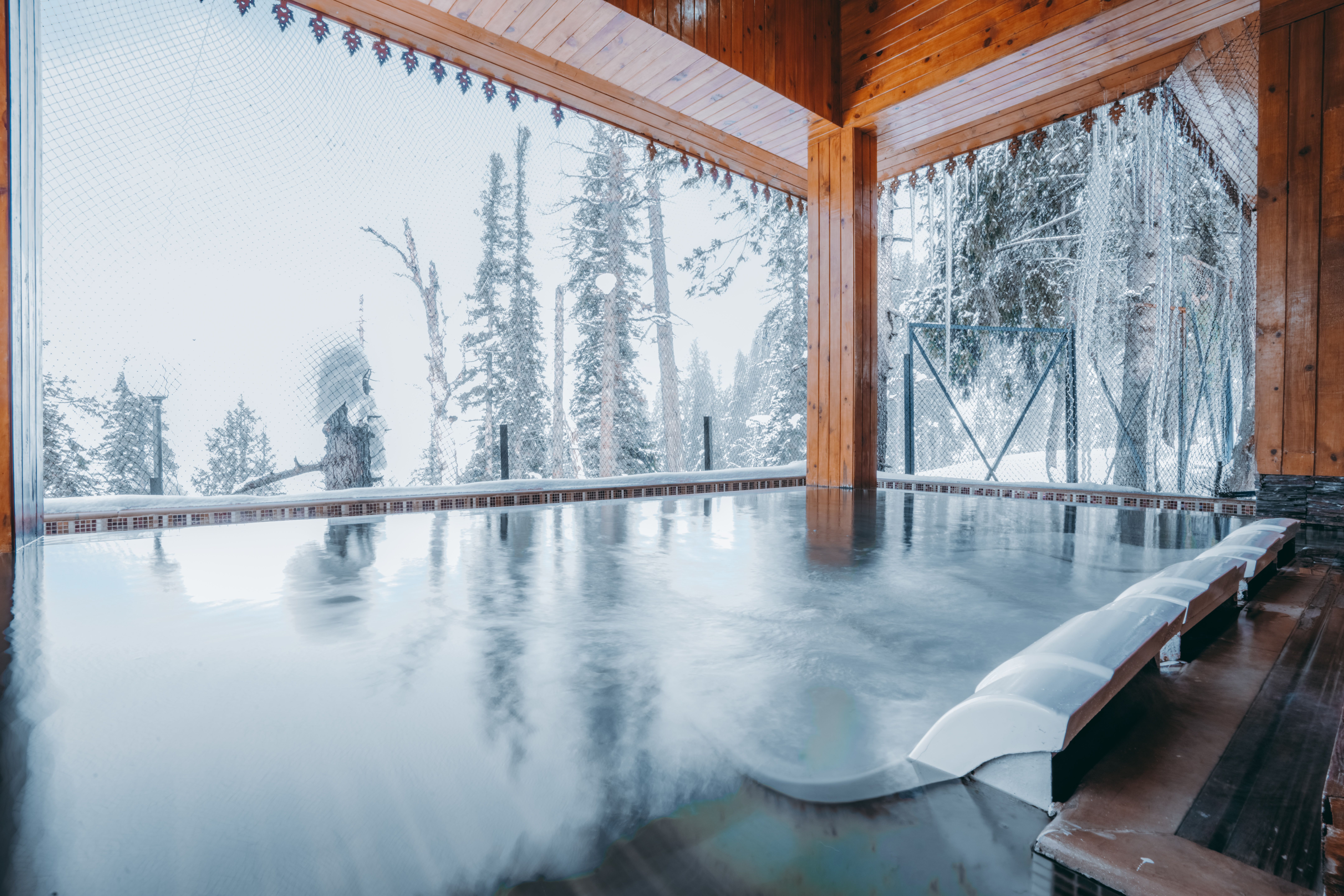
Knowing how to winterise a pool properly is the difference between a five-minute chlorine top-up in spring and a full-blown algae rescue that costs hundreds of dollars and a weekend of your time. Once the weather cools and swimming slows down, it's tempting to simply stop thinking about the pool until summer. But a pool left unmonitored over winter, with the pump switched off, no algaecide added and the chemistry ignored, is the single biggest cause of the dreaded "green pool" every spring.
The good news is winterising a swimming pool doesn't take much. Done properly, it's a handful of steps you complete once at the start of the cooler months, followed by a quick check every couple of weeks. This guide walks through exactly how to clean, balance, dose and protect your pool for winter, including whether a cover is worth adding to the process (it is, and we'll explain why).
Here's What You Need to Know in Under a Minute
| Step |
What to Do |
| Timing |
Start winterising once water consistently sits below 18°C |
| Clean and balance |
Brush, vacuum, backwash the filter, balance pH to 7.2–7.6 |
| Chemicals |
Shock, then add a phosphate remover and a long-life winter algaecide |
| Filtration |
Reduce pump running time to around 4–6 hours a day |
| Cover |
Use a solar, thermal or automated cover to cut evaporation and heat loss |
| Monitoring |
Check chemistry and skimmer baskets every two weeks |
- Skipping winterising chemicals is the number one cause of a green pool in spring
- A pool cover reduces evaporation by up to 97% and heat loss by up to 70%, cutting how much water and chemical you need to top up
- Never turn your pump off completely over winter; reduced hours, not zero hours, keep water circulating and chemicals working
When Should You Start Winterising Your Pool?
There's no fixed calendar date for winterising a pool. The right time depends on where you live and how quickly your local water temperature drops. As a general rule, once your pool's water sits consistently below 18°C, algae growth slows enough that it's safe to reduce your maintenance routine and move into winter mode.
For Perth, Brisbane and other warmer capitals, that usually means late April through May. In Melbourne, Adelaide, Canberra and Hobart, it can arrive as early as March. Rather than watching the calendar, test your water temperature weekly through autumn and start the process as soon as it drops below that 18°C mark.
Before you begin, get your tools together: a skimmer net, pool brush, an automatic or manual vacuum, a testing kit or test strips, and the winterising chemicals covered below. Doing this in one session, rather than piecemeal over a few weekends, makes the whole process faster and means your pool spends less time out of balance while you gather everything.
How to Clean and Balance Your Pool Before Closing It
A clean pool holds its chemistry far better over winter than a dirty one, so this step is worth doing properly rather than rushing through it.
Start by brushing the walls, floor, steps and the area around light fittings to loosen any scum, algae spots or staining that has built up over the season. Run your automatic or robotic cleaner through a full cycle, then vacuum manually to pick up anything left behind. Empty the skimmer basket and pump basket of leaves and debris before moving on.
Next, turn your attention to the filter. A media or sand filter should be treated with a filter cleaner and degreaser, then backwashed thoroughly. If you run a cartridge filter, remove the cartridge from its housing and rinse it clean with a garden hose, degreasing it if it's carrying visible buildup. A clogged or greasy filter going into winter will struggle to keep water clear even with reduced running hours.
With the pool clean, test the water. You can use a home testing kit or take a sample to your local pool shop. Getting the chemistry right before you close up for winter matters more than at almost any other point in the season, because you won't be adjusting it daily the way you would in summer. For a deeper look at what each parameter does and why it matters, see our guide to the importance of water chemistry.
What Chemical Levels Should You Target Before Winter?
| Parameter |
Target Range |
| pH |
7.2–7.6 |
| Total alkalinity |
80–120 ppm |
| Free available chlorine |
1–3 ppm |
| Calcium hardness |
150–250 ppm |
Adjust total alkalinity with bicarbonate of soda if it's low, and correct pH with acid or soda ash as needed, always diluting chemicals in a full bucket of water before adding them to the pool. If any of these levels are well out of range, correct them now rather than waiting until spring. A pool that goes into winter balanced stays balanced far longer than one that goes in already fighting itself.
What Chemicals Do You Need to Winterise a Pool?
Winterising chemicals do the heavy lifting while your pool is running on reduced filtration, so this step should never be skipped, no matter how tempting it is to save the money.
Start with a shock treatment. A concentrated dose of chlorine eliminates any bacteria, algae spores or contaminants still present in the water before you reduce your maintenance routine. Give the chlorine level three to four days to settle back toward normal before adding anything further, since high chlorine will inactivate algaecide.
Once chlorine has settled, treat the water with a phosphate remover. Phosphates build up from rainfall, fertiliser runoff, sunscreen and organic debris, and they act as a food source for algae even when chlorine levels look fine on paper. Removing them cuts off the fuel supply before it becomes a problem.
Finally, add a long-life winter algaecide. This is the single chemical most responsible for the difference between a pool that opens clear in spring and one that needs a full green pool recovery in October. Skipping this step, or using a short-life summer algaecide instead, is one of the most common winterising mistakes.
How Much Algaecide Should You Use, and How Often?
Dosage depends on your pool's volume and the strength of the product, so always check the label rather than guessing. As a general guide, a 50,000 litre pool typically needs 250–500ml of a quality long-life algaecide at closedown, with a repeat dose roughly once a month through winter if your pool isn't fully covered.
If you're using a pool cover consistently (more on that next), you can often stretch the interval between doses, since the cover itself blocks the sunlight and airborne debris that feed algae growth. Either way, mix the algaecide with a bucket of water before adding it to the pool, and pour it in with the pump running so it disperses evenly rather than pooling in one spot.
Should You Cover Your Pool for Winter?
Not everyone covers their pool over winter, but of every step in this guide, it's the one with the biggest single impact on how much work the rest of the process takes.
A cover reduces evaporation from the water surface by up to 97%, which means less water lost, less chemical lost with it, and a pool that holds its chemistry between your fortnightly checks instead of drifting out of range. It also blocks leaves, dust and debris from settling on the surface and sinking to the bottom, so there's dramatically less to clean out when you reopen in spring. On top of that, sunlight is a major driver of algae growth and chlorine breakdown; a cover cuts direct sun exposure to the water and slows both processes down.
If you live somewhere with heavy winter rain, keep an eye on your cover so it doesn't pool water in the middle and sink. Covers that are independently Smart Water Mark certified give you a verified benchmark for evaporation performance when comparing products, which is useful since manufacturer claims can be hard to assess on their own.
Solar Cover vs Thermal Cover vs Automated Cover: Which Is Right for Winter?
The right cover depends on what you're trying to achieve.
A solar pool cover is the standard choice for winter protection in most Australian backyards. It blocks debris, reduces evaporation, and uses trapped solar energy to add a small amount of heat back into the water on sunny days, even in the cooler months.
A thermal pool cover is built specifically for heat retention rather than solar gain. If you're running a pool heater through winter and want to stop that heat escaping overnight, a thermal cover is the better match, since its denser structure slows heat transfer from the water surface far more effectively than a standard solar blanket.
An automated pool cover solves the problem that causes most covers to fail at their job: they don't get used. A cover that's awkward to roll on and off tends to stay off, especially in winter when nobody wants to handle a wet, cold blanket in the dark. With a motorised system, the cover deploys and retracts at the push of a button, so it actually gets used every single night rather than three nights out of seven.
For the full breakdown of the water, chemical and energy savings a cover delivers, see why do I need a pool cover.
How to Adjust Your Filtration and Pump Running Time for Winter
With the water clean, balanced and dosed, the next step is adjusting how hard your equipment works. Winter doesn't mean switching everything off. It means running it less.
Reduce your pump and filtration running time from a typical 8 hours a day in summer down to around 4–6 hours, split across the day if it suits your timer (for example, three hours in the morning and three in the evening). This is enough to keep the water circulating and your chemicals working, without running the equipment for hours it doesn't need over a season with far less bather load and lower water temperature. For more on how temperature itself factors into your running costs and pump settings, see our guide to ideal pool temperature in Australia.
If you have a salt chlorinator, check the cell for calcium buildup before winter and clean it with a proper salt cell cleaner if you find any. Reduce the chlorinator's output to around half its summer setting, then check your free chlorine reading over the following weeks and adjust up or down until you're consistently sitting in the 1–2 ppm range. A pump that's completely switched off for months is the single fastest way to end up with a swamp instead of a swimming pool, so resist the temptation to turn it off entirely, even if you won't be swimming again until spring.
How Often Should You Check Your Pool During Winter?
Winterising isn't a set-and-forget job, even though the workload drops dramatically once it's done. Check your pool roughly every two weeks through the cooler months.
Each check should cover: testing free chlorine and pH, topping up the water level if it's dropped, clearing the skimmer basket of leaves and debris, and glancing at the filter pressure gauge to see if a backwash is due. If you've fitted a pool cleaner, take it out of the pool over winter so it isn't sitting idle in cold water for months, which shortens its working life.
This fortnightly rhythm is what keeps your pool genuinely low-maintenance over winter, rather than a problem you're only discovering once it's already turned green.
What Mistakes Should You Avoid When Winterising a Pool?
A handful of mistakes account for most of the "why is my pool green" phone calls pool shops get every spring. Avoiding them is simpler than fixing the result.
Turning the pump off completely. It feels logical to save on electricity if nobody's swimming, but a pool with zero circulation for months is exactly the environment algae needs. Reduced hours, never zero hours.
Skipping algaecide because the water still looks clear. Algae blooms can go from invisible to a full green pool within days once conditions turn in its favour. The algaecide is prevention, not a fix you add after the fact.
Leaving the cover unmonitored. A cover that's sunk in the middle from rainwater, or blown half off in a storm, isn't doing its job and can even trap contaminated water against the pool surface. Check it as part of your fortnightly routine.
Ignoring the filter until spring. A filter that goes into winter clogged stays clogged, and reduced running hours make it even less effective at clearing what debris does get through. Clean it before you close up, not after you reopen.
Why Elite Pool Covers Is the Right Partner for Winter Pool Protection
Choosing the right cover for winter protection isn't a commodity decision, and the difference between an entry-level cover and a properly engineered one shows up every single winter it's used.
Elite Pool Covers has designed, manufactured and supplied pool cover systems in Perth, Western Australia since 1989. Elite was the first Australian company to design, develop and manufacture an automatic pool cover, the first to produce high-insulation solar blankets, and the first to manufacture all-aluminium commercial rollers and an inground hideaway roller system. These aren't marketing claims; they're measurable industry firsts that the rest of the Australian market has since followed.
Every pool cover in the Elite range, from entry-level solar blankets through to fully automated systems, is built to handle Australian UV, salt and chemical conditions and backed by a pro-rata warranty from the manufacturer who built it. Elite's range of pool cover rollers is engineered to make daily deployment effortless, because a cover that's difficult to use over winter is a cover that stops getting used, right when it matters most.
Elite is a member of SPASA Australia, the peak industry body for the Australian pool and spa industry, and supplies residential and commercial pools across Australia and internationally, including exports to New Zealand, South Africa, Spain, France and the United Arab Emirates.
Frequently Asked Questions
Do I Need to Drain My Pool for Winter?
No. Draining a pool completely for winter can cause structural damage, including the shell shifting or cracking under groundwater pressure once the weight of the water is removed. Keep your pool filled, balanced and circulating on reduced hours instead. The only water you should be removing is any excess after heavy rain, to keep the level where your skimmer can still operate.
What Water Temperature Should I Close My Pool At?
There's no single number, but once your water sits consistently below 18°C, algae growth slows enough that it's safe to move into your winter routine. Warmer states like Western Australia and Queensland typically reach this point later in the season than Victoria, South Australia and Tasmania. Test weekly through autumn rather than relying on the calendar.
Can I Turn My Pool Pump Off Completely Over Winter?
No, and this is one of the most common mistakes pool owners make. Reduce your running time to around 4–6 hours a day rather than switching the pump off entirely. Water that isn't circulating at all stops distributing chemicals evenly and creates the still, undisturbed conditions algae needs to establish.
Does a Pool Cover Actually Help in Winter?
Yes, significantly. A quality cover reduces evaporation by up to 97% and blocks the leaves, dust and sunlight that drive algae growth and chemical breakdown. It also means less water and fewer chemicals need topping up between your fortnightly checks, so your pool is genuinely ready to swim in again rather than needing a weekend of remediation before you can enjoy the health benefits of regular swimming once the weather warms up.
A Pool That's Ready When You Are
Winterising a pool isn't complicated, but skipping it is expensive. A clean, balanced pool dosed with the right chemicals and covered consistently through the cooler months is a pool that opens in spring with a quick chlorine check, not a green pool recovery. The steps in this guide, cleaning and balancing before you close up, dosing correctly, reducing (not stopping) your filtration, and checking in every two weeks, cover everything you need to get there.
The cover is the step with the most leverage in the whole process. It cuts evaporation, blocks debris and sunlight, and means less work every time you check on the pool through winter. Paired with the right chemical routine, it's the difference between a pool that coasts through winter and one that fights you the whole way.
Get an Elite Pool Covers Quote Today
Protect your pool through winter and reduce the work involved in reopening it come spring. Elite Pool Covers are Australian leaders in pool cover and roller technology. Give us a call on (08) 9240 2262 or request a personalised quote to receive accurate pool cover pricing tailored to your unique requirements.